

According to the 2020 data published by the Directorate General of Migration Management, there are 3,641,370 Syrians in our country under temporary protection status. According to the data, primary, secondary and high school children make up 33% of Syrians under temporary protection. Given this data, the education of Syrian students is of great importance to both the future of Turkey and the future construction of Syria. According to the data published by MEB, it has been observed that there has been an increase in the schooling of Syrian students in our country. However, despite this increase in schooling, it is an undeniable fact that Syrian students have some problems with education. Due to the language difference between the two countries; students, teachers and parents face a number of problems. As a solution to the language problem that comes before the students; Within the MEB, the creation of Turkish preparatory classes in preschool and intermediate classes, the establishment of Turkish courses, an increase in the number of Turkish courses in the curriculum, the creation of a language village and the teachers who will teach Turkish to children are chosen from those who specialize in Turkish education to foreigners, such suggestions can be listed. In order to overcome the language problem between teachers and parents, the employment of mediators who speak both languages in schools, which also have examples abroad, will ensure healthy communication between teachers and parents.

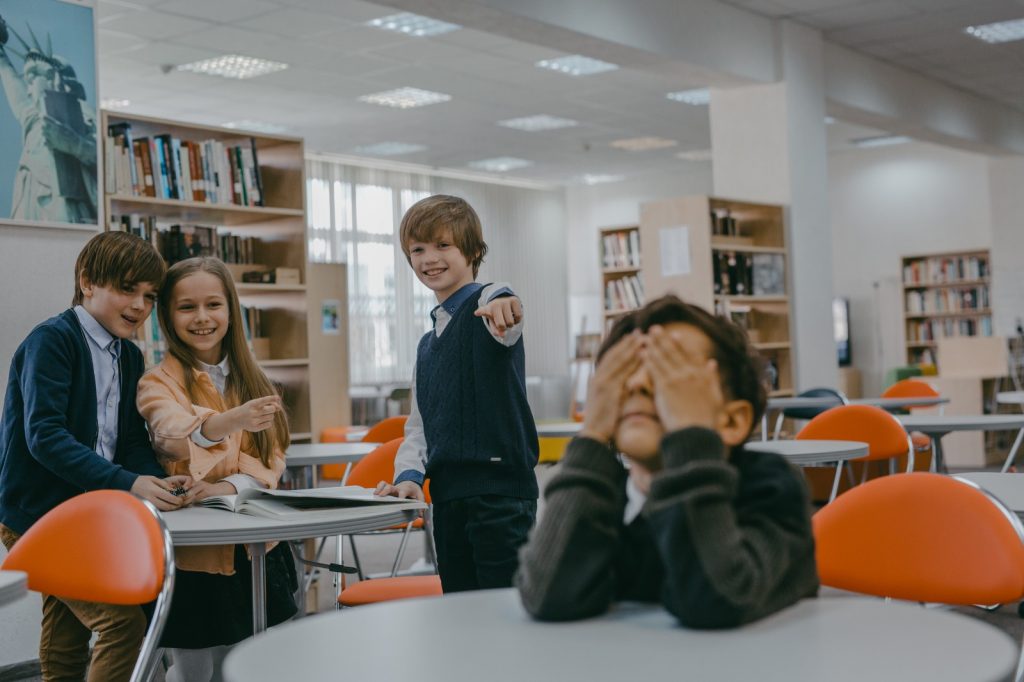
Upon failure to meet their financial requirements, some Syrian families can marry off their daughters and force their boys to work. For this purpose; The creation of comprehensive and planned support in such a way as not to make people dependent on assistance with the coordination of MEB and NGOs, necessary materials for the education of the child (stationery, school bus, etc.) Solutions can be offered in the form of providing the meb and NGOs together with their joint work and informing the family about the importance of the child’s education can be offered. As a result of the researches, it is seen that Syrian students are discriminated against as another important problem they face during the education process. The discrimination attitude of Syrian students from both their teachers and their Turkish friends and their friends’ parents is an obstacle to participation in the school. In order to overcome this obstacle; improving the existing language for Syrians in the media, providing teachers with regular trainings on how to approach Syrian children from different cultures, organizing youth camps, creating an environment where Turkish students and Syrian students can communicate effectively with each other, organizing trainings and seminars for Turkish parents to raise awareness about Syrian students, organizing exhibitions to promote different cultures in order to make multiculturalism visible, and emphasizing common positive values between the two cultures can prevent Syrian children from being discriminated against and children continue their education process.
Syrian children may experience some disruptions in their lessons due to the language problem and due to the curriculum that is different between the two countries, which affects the process of children attending school. To solve this problem, examples of both language education and compensation classes for children called Compensation Centers that are operational in some European schools can be examined and similar projects are implemented in Turkey, thus correcting the problems experienced by Syrian children in their courses. The problems faced by Syrian students and parents in the paperwork and the difficulties created by the institutions reduce the desire for parents to send their children to school. Both local institutions and public institutions will provide Syrian families with the rights they have and the employment of bilingual speakers who will provide the necessary information will provide a great convenience in the face of the difficulties experienced by Syrian families in the institutions.
Finally, by creating a school social service application that does not yet exist in our country, identifying the problems experienced by children in the face of the education process, cooperating with the institutions and organizations necessary to solve these problems, and establishing the employment of social workers who will act as mediators between individuals and institutions attaches great importance to the elimination of the problems faced by Syrian children in the education process.
Writer: Aslıhan Dağlar – Translator: Esra Nur Yurteri
REFERENCES
1-Emin, Müberra Nur. “TÜRKİYE’DE Ki SURİYELİ ÇOCUKLARIN EĞİTİMİ TEMEL EĞİTİM POLİTİKALARI.” Siyaset, Ekonomi ve Toplum Araştırmaları Vakfı Dergisi, 2016, sy.153, s. 7-25.
2- GİGM. (2020). GEÇİCİ KORUMA. https://www.goc.gov.tr/gecici-koruma5638, Date of access: 07.01.2021
3- MEB. (2018). Hayat Boyu Öğrenme Genel Müdürlüğü Göç ve Acil Durum Eğitim Daire Başkanlığı. Date of access: 07.01.2021, https://hbogm.meb.gov.tr/meb_iys_dosyalar/2018_03/26120318_26-03-2018__Ynternet_BYlteni.pdf
4- Özer, Yeşer Yeşim; Komsuoğlu, Ayşegül; Ateşok, Zeynep Özde. “TÜRKİYE’DEKİ SURİYELİ ÇOCUKLARIN EĞİTİMİ: SORUNLAR VE ÇÖZÜM ÖNERİLERİ.” The Journal of Academic Social Science, 2016, 4 (37), s.34-42.
5- Tanrıkulu, Faik. “Türkiye’de Yaşayan Suriyeli Çocukların Eğitim Sorunu ve Çözüm Önerileri”. Liberal Düşünce Dergisi, 2017, sy.86, s. 127-144.
6- Tunga Y., Engin G., ve Çağıltay, K. (2020). Türkiye’deki Suriyeli Çocukların Eğitiminde Karşılaşılan Sorunlar Üzerine Bir Alanyazın Taraması. İnönü Üniversitesi Eğitim Fakültesi Dergisi, 21(1), 317-333
7- 21. Yüzyıl Türkiye Enstitüsü, Suriyeli Çocukların Eğitimi, https://21yyte.org/tr/merkezler/islevsel-arastirma-merkezleri/suriyeli-cocuklarin-egitimi, Date of access: 20.01.2021.
